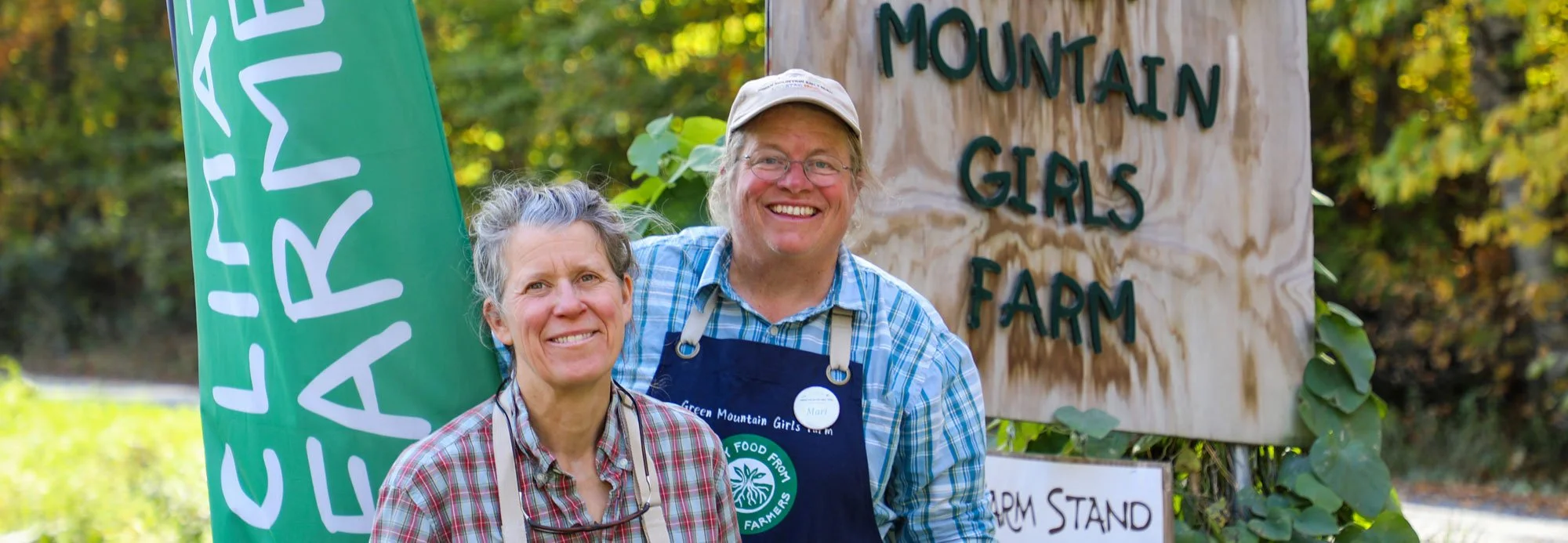
At Green Mountain Girls Farm, We Farm Relationships
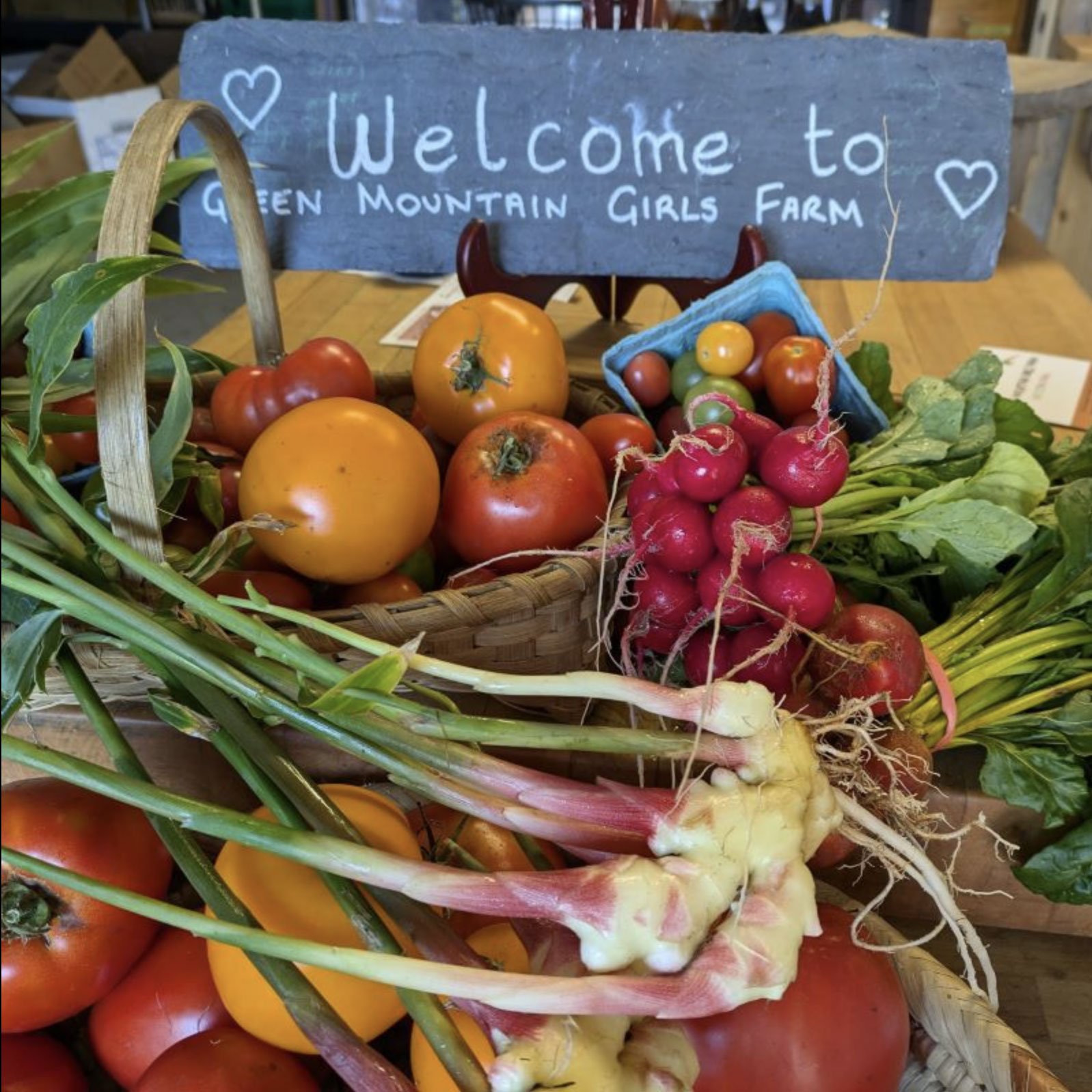
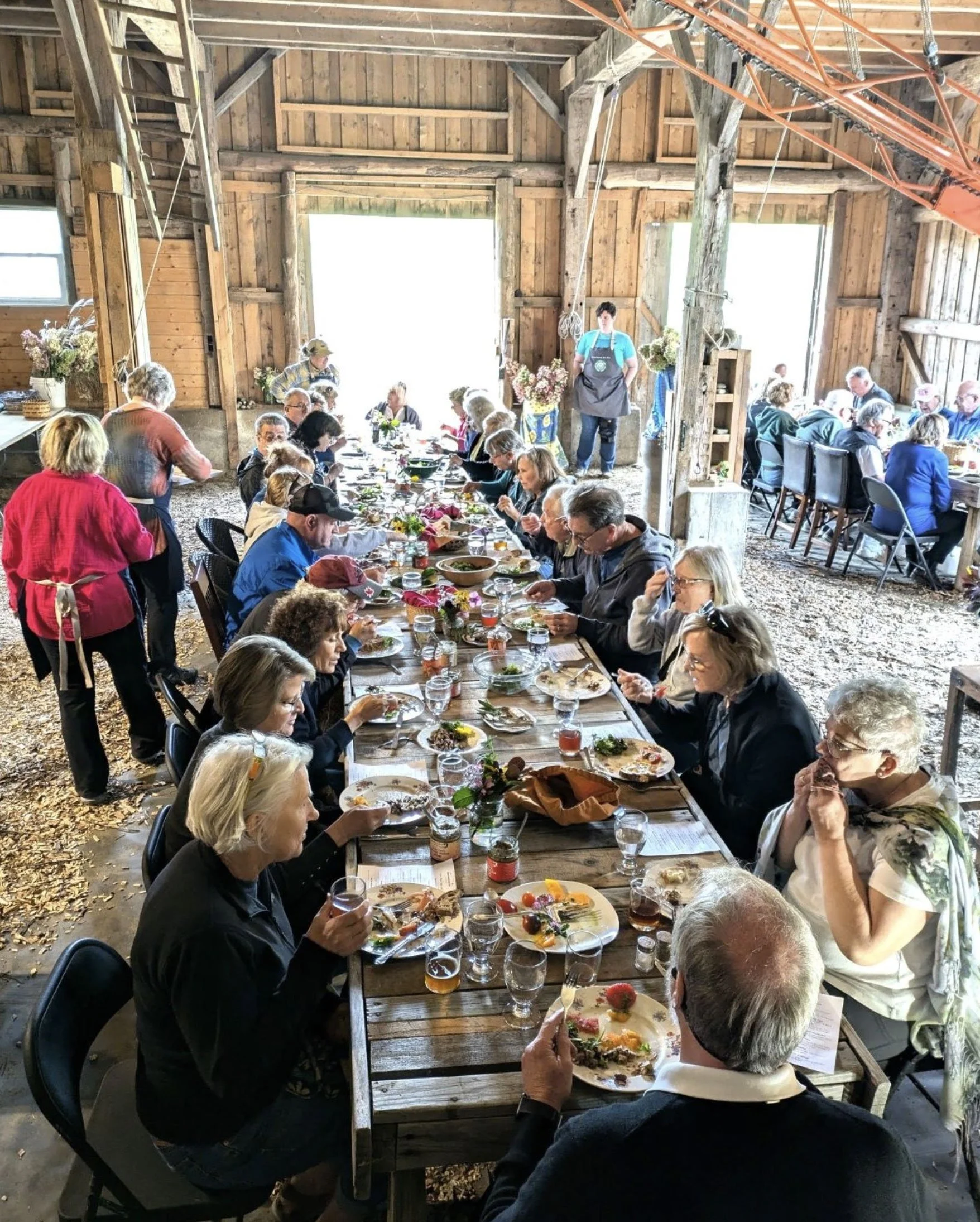
We practice relational farming, inviting you to share and enjoy our Vermont farm and its products—connecting people to farms so they can both source high quality, healthy, well-raised food, and so they can learn how their food can be produced sustainably.
Regeneration
In growing food, we make our farm better able to grow food long into the future; in laboring to provide food to help folks eat a healthy diet, we are making your own bodies well; in connecting with our customers and visitors, we strengthen community bonds, including through encounters with our livestock, orchard, gardens and natural communities there: frogs, wildflowers, pollinators and so on. Regeneration.
For us farming is a vocation, and our farm is run on care, grit, relationships and systems thinking.
As we wind up our second decade of farming, we return to the intention of our name, a nod to the Green Mountain Boys, famous for catalyzing tipping points in the American Revolution. Our farm aims to increase the health and resilience of our farm community and more widely grow hope sharing what we are learning about regenerative agroecology.
We seek to connect with folks who want to grow and eat food which regenerates – draws down carbon from the atmosphere, enhances biodiversity, pollinators, water cycles, climate resilience and is fair, safe and good for people who produce and eat it.
Net Zero is an admirable goal. More is possible. Join us and others farming and eating toward net positive!
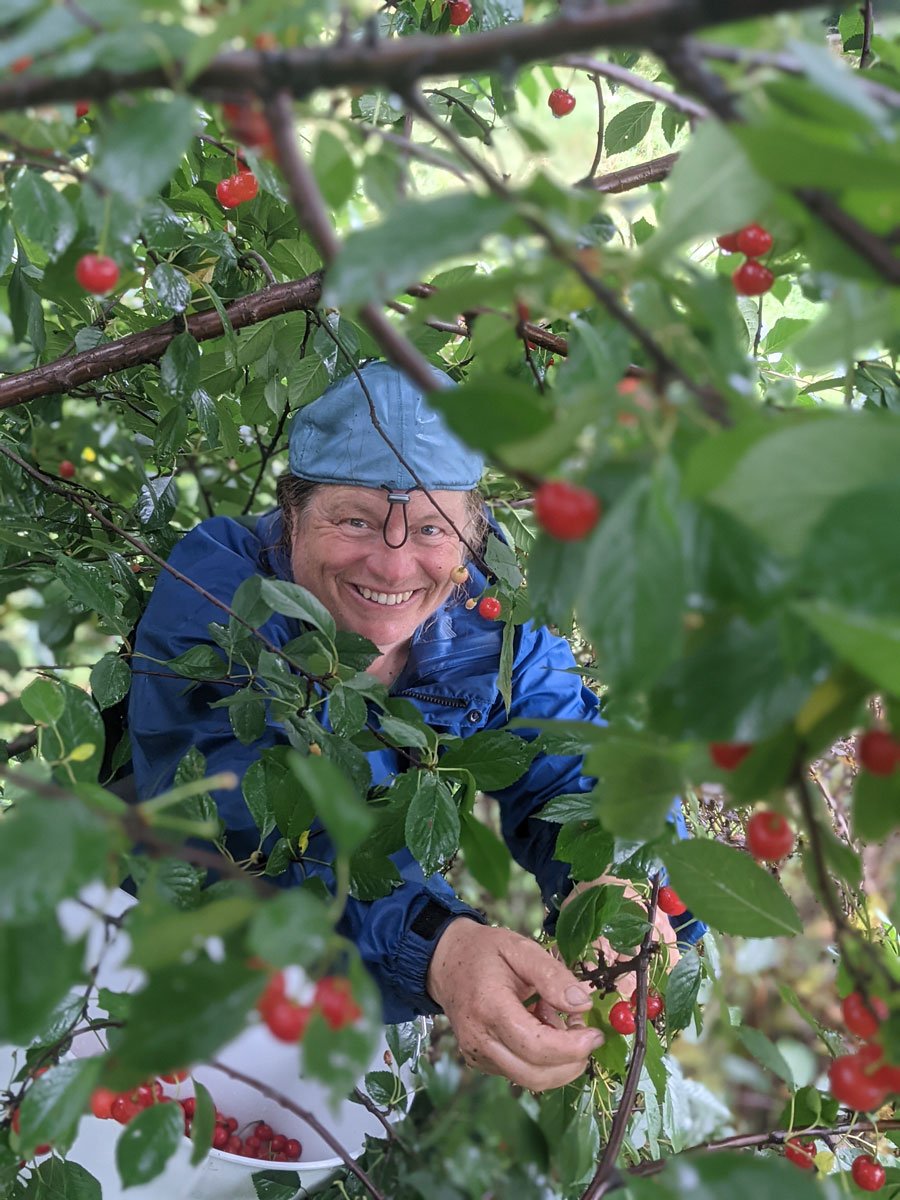
Mari Omland, Co-owner, Farmer

Laura Olsen, Co-owner, Farmer
Vision
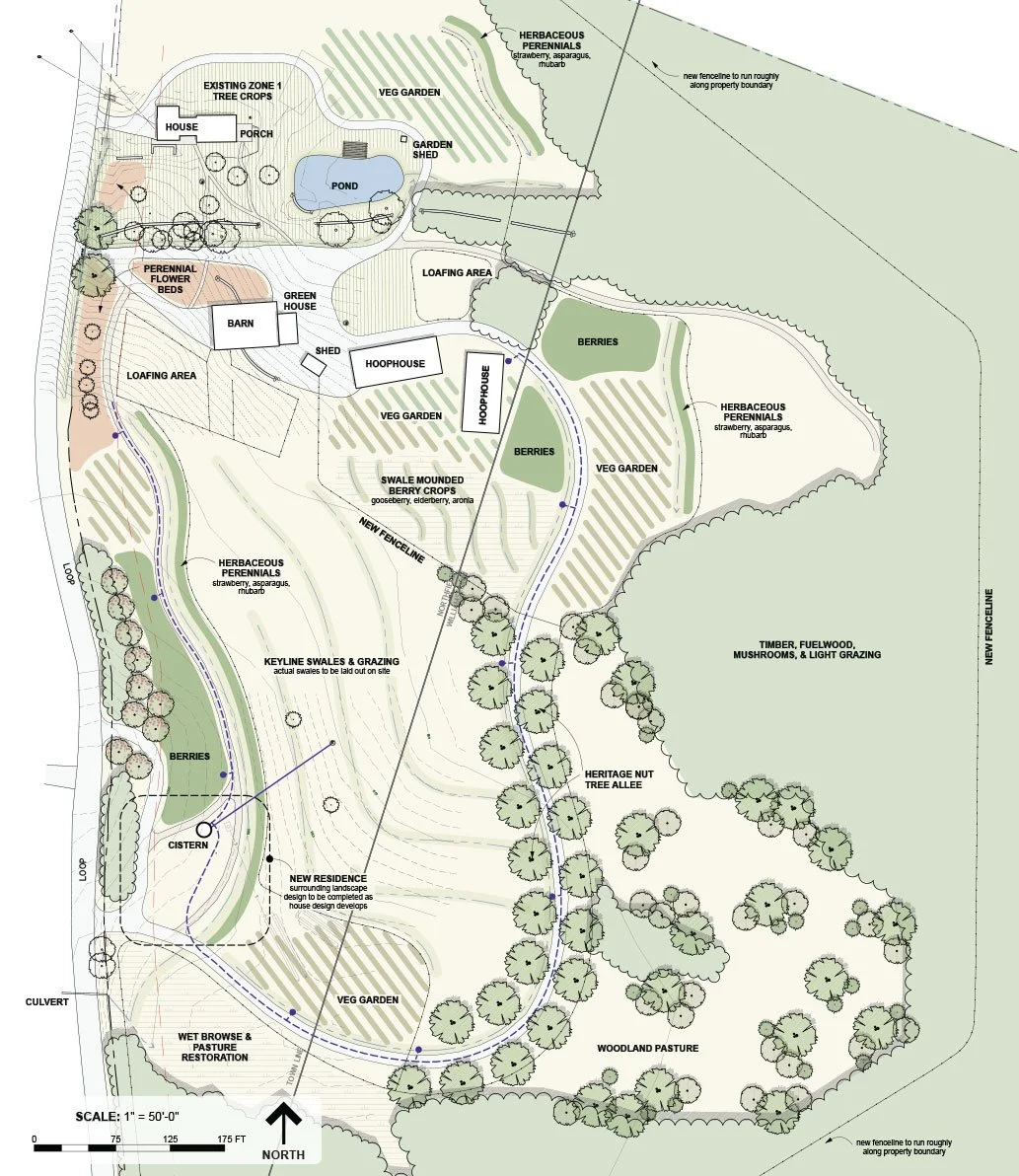
We see a future within which Vermont persists as a global geotourism leader, and as a place where farms succeed by working with natural cycles, providing healthy food and creating stronger communities. An illustrative map depicts our vision.
Purpose
Green Mountain Girls Farm aims to contribute to a sustainability tipping point by being a successful small farm with a modest family of place-based enterprises. Together, these micro enterprises produce an alchemy which enriches our community; generates wealth to sustain us and our staff; and works with natural systems, restoring where possible.
Values
We grow delicious food and celebrate this special place, restoring balance and connections for an expanding circle of people who share the Green Mountain Girls Farm. Integral to our success is ensuring that the farmers, land and community are thriving.
The Farm expresses Laura and Mari’s commitment to conservation and helping to seed and nurture the regenerative age.
Our undulating land, personal talents, and purpose match well with producing a small amount of a wide variety of products, including sharing our intimate family farm with visitors.
Green Mountain Girls Farm is steeped in the rich culture of Vermont’s working lands.
Our Practices
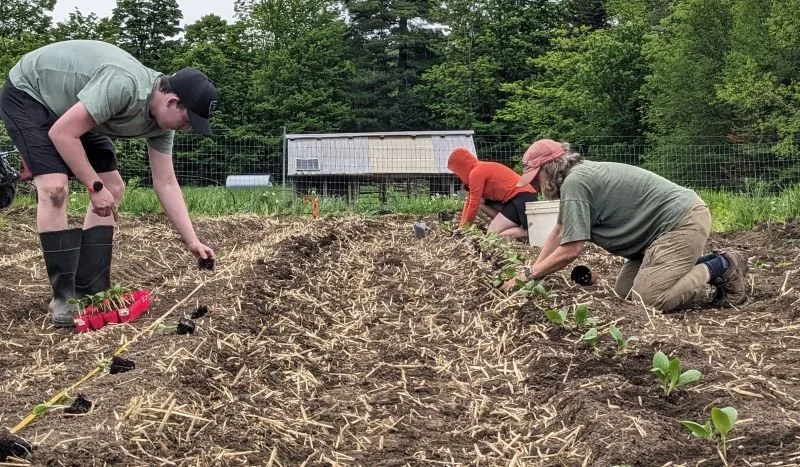
We are not certified organic, but we manage our crops organically. Our livestock is pasture-raised, rotated regularly each week to fresh pasture. We feed organic grain with no growth hormones and generally follow organic standards.
Further, we employ practices that protect and enhance the natural systems on-which our farm depends, and support both human health and the ecology of our surroundings including:
Biointensive Gardens and Orchards
Managed organically, utilizing green manures, mulching, compost and integrated pest management. The site diversity will be exploited to grow a wide variety of annuals and perennials and, where possible, we will expand growing spaces using trellises, etc.
Forest Management Plan
Forest in the eastern half of the property will be managed for stream and forest biodiversity. Where possible without negative impacts, we will cut firewood and collect wildly harvested products for our home and business. Pockets of young succession forests (primarily poplar) which have encroached on former pasture will be cut, chipped and stockpiled for orchard and berry installation and maintenance.
Silviculture
Increase the productivity of pasture by integrating woody plant material to shade livestock, accumulate nutrients, produce more browse and fodder and firewood.
Pasture, Woodlands and Browse-scapes: Support organically managed livestock whose lifecycles and nutritional needs will be harmonized with the land characteristics. Our cultural identity as grass-farmers and browse-scapers reinforces prioritization of regeneration of the plants central to livestock production as they move regularly to fresh pasture or browse. Wetter areas will be developed for browse either to be harvested directly by animals during dry periods and/or by coppicing.
Soil and Fertility Building
Winter animal housing uses a bedded pack which is composted together with crop residuals to create a significant resource for gardens and pastures. Utilizing technical assistance from Highfields Center for Composting, we manage compost piles with tractor turning, temperature probes, and lab test samples to ensure a balanced compost product. Soil compaction will be alleviated by keyline plowing. That, together with a strong pasture management system, will increase biological and fungal complexity, enable better water absorption and dispersal, and ultimately result in deeper and more productive top soils.
Pest and Disease Control
Methods that protect surrounding ecosystems and human health. We minimize the spraying of all pesticides—even organically approved ones—and focus instead on physical, cultural, and biological pest control methods.
Food and Farmer Safety
We follow food-safety practices appropriate to the scale and nature of our farm. We create a culture of working safely amongst our team.
‘Vegecation’
Finding the balance and telling the whole story: We want to produce and be known for delicious, high quality food, but also influence ideas about what quality really is.
Green Mountain Girls Living the Sustainability Paradox
Presentation given by Mari at UVM in September 2024. Watch here or stream it from the UVM website.